
What’s the real shift in UK sports betting?
Exploring Football Betting Sites
September 29, 2026
What You’ll Find Inside Ninewin Casino
September 29, 2026What’s the real shift in UK sports betting?
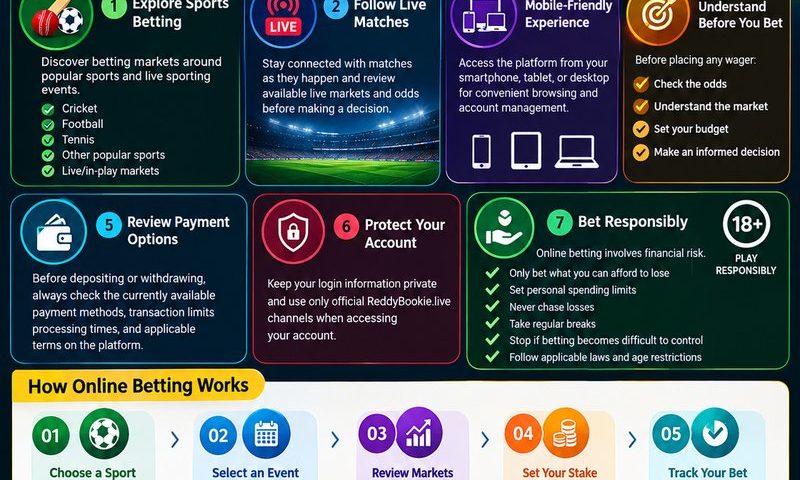
Last year, the average UK bettor spent 3 % of his monthly disposable income on sports betting. That figure jumped to 5 % in 2024, largely because of a single change: the move from desktop to mobile. When you can place a bet with a swipe while waiting in line, the impulse to wager spikes. The numbers speak for themselves: mobile betting accounts for 58 % of all UK sports wagers, up from 42 % in 2022.
How does mobile gaming change the betting experience?
First, speed. A desktop bet might take 45 seconds from selection to confirmation, but on a phone it takes under 10 seconds. That tiny margin makes the difference between a missed live event and a last‑minute in‑play bet. Second, accessibility. Betting apps now include live‑score feeds, push notifications for odds changes, and in‑app calculators that let you see potential returns in real time. Third, data. Mobile devices track user behaviour and adjust offers accordingly. If you’ve ever seen a “Bet £5, get £10 free” pop up after a series of flat bets, that’s data at work.
However, the very convenience that fuels growth also creates risk. Younger bettors, under 25, are 30 % more likely to bet more than their budget because the app’s interface encourages rapid, repeated wagers. The same apps that provide instant odds also offer “quick‑bet” buttons that can trigger a habit of impulsive betting. For responsible players, the solution is to set app limits before opening the interface.

What role does technology play in shaping culture?
Artificial intelligence now powers predictive models that adjust odds in real time. A bettor can see a 1.8‑to‑2.0 shift in odds for a football match minutes before kickoff, simply because a key player was injured in the warm‑up. These dynamic odds mean that the culture of “pre‑match certainty” is fading; bettors now treat every game as a live event with changing probabilities.
Social features also matter. Many apps integrate chat rooms where users can discuss strategies or cheer for teams. This communal aspect turns solitary betting into a shared experience, echoing the atmosphere of a sports bar but delivered through a screen. The result is a culture that values immediacy, data, and community over the old, leisurely approach to sports betting.
Beyond the sports arena, the same mobile gaming principles have crossed over into other entertainment sectors. For instance, if you’re looking to mix a casual gaming session with a quick wager, you might explore jokabet casino and see how the mobile interface keeps you engaged across different types of play.
What does the future hold?
Regulators are tightening rules on in‑app notifications and data usage, which could slow the pace of mobile betting growth. But the trend is clear: mobile gaming will continue to dictate how and when people bet on sports. By 2026, it’s projected that 70 % of all UK sports wagers will originate from smartphones. For those who want to keep pace, the key is to embrace the speed and data while staying mindful of the limits that mobile convenience can blur.